When to Lock Mortgage Rate Strategically
Learn when to lock mortgage rate strategically, what moves rates, and how to choose a lock period that protects your budget and closing timeline.
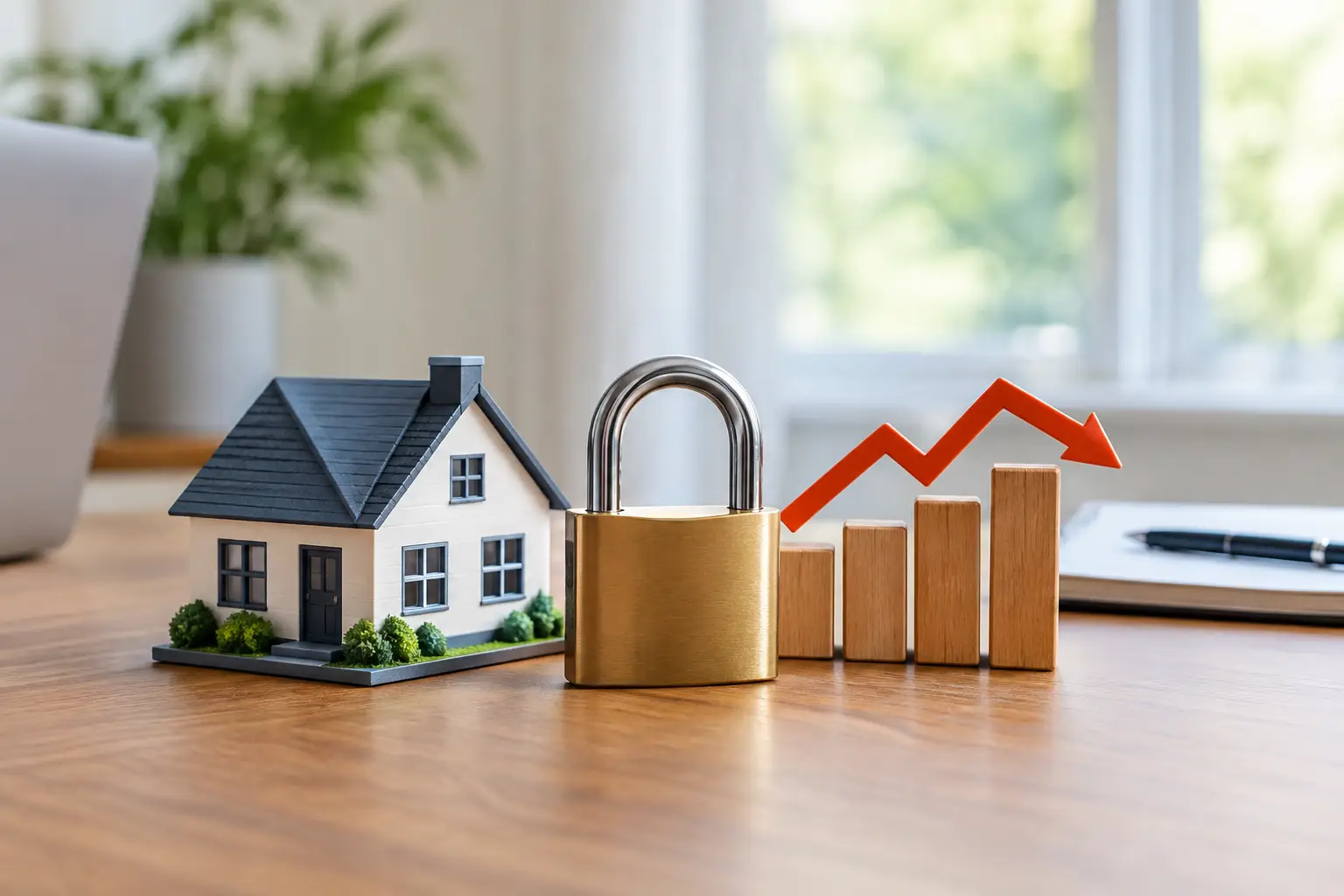
A mortgage rate lock can feel like a one-time guess: pick a day, hope you chose well, and move on. But to lock mortgage rate strategically is less about predicting the market perfectly and more about protecting the payment, cash-to-close amount, and timeline that make your home purchase work.
The best decision is usually not the lowest rate that might appear on a chart next week. It is the rate and loan structure you can confidently close with, without leaving your budget exposed to a last-minute market swing. That requires a clear look at your contract date, loan approval status, available lock periods, and comfort with risk.
What a Mortgage Rate Lock Actually Protects
A rate lock generally holds your interest rate and pricing for a set period while your loan moves through processing, underwriting, appraisal, and closing. If market rates rise during the lock period, your locked terms are typically protected, assuming there are no meaningful changes to your loan file.
That last part matters. A lock is based on the information used to price your loan: purchase price, loan amount, credit profile, occupancy, property type, loan program, and other details. If those details change, the loan may need to be repriced. For example, a lower-than-expected appraisal that changes your loan-to-value ratio can affect available terms. So can changing from a primary residence to an investment property or adding new debt before closing.
A lock does not mean every cost in your transaction is frozen. Property taxes, insurance premiums, prepaid items, and certain third-party charges can still change. Your loan professional can help separate the interest-rate decision from the other costs that affect your cash to close.
When to Lock Mortgage Rate Strategically
The right time to lock depends on how close you are to closing and how much uncertainty remains in your file. A buyer with a fully executed contract, strong documentation, and a 30-day closing target has a different decision than a buyer still shopping for a home or building a new construction property with a flexible completion date.
Start with your closing timeline
Your lock should be long enough to cover the expected closing date with room for normal bumps in the road. Appraisals can take longer than expected. Sellers may need extra time for repairs. Underwriting may request an additional document. A lock that expires two days before closing leaves very little margin for real life.
Shorter locks often offer better pricing than longer locks because the lender is taking on less market risk. But choosing the shortest lock simply because it looks cheaper can backfire if the transaction needs an extension. Extensions may carry a cost, and pricing is not guaranteed to improve while you wait.
For many purchase transactions, the practical question is not, “Can we close in the ideal number of days?” It is, “What lock period gives us a reasonable path to close without scrambling?” That is a much better foundation for a financial decision.
Know what would change your payment
Before locking, review the actual loan payment at the proposed rate, not just the rate itself. A small difference in rate may change the monthly principal-and-interest payment less than borrowers expect. On the other hand, a rate change can matter more on a larger loan amount, a jumbo loan, or a long-term hold where every monthly dollar adds up.
Ask to compare the payment, lender credits or points, annual percentage rate, and estimated cash to close at a few realistic options. Paying points may make sense when you expect to keep the loan long enough to recoup the upfront cost. It may not make sense if you expect to sell, refinance, or pay down the loan sooner. The lowest note rate is not automatically the best overall deal.
Decide how much market risk you are willing to carry
Floating means waiting to lock while hoping rates improve. It can work in your favor, but it also leaves you exposed if rates move higher. Mortgage pricing can change quickly, sometimes more than once in a day, based on economic reports, inflation expectations, bond-market activity, and broader market uncertainty.
If your payment is already within budget and the loan terms support your goals, locking can be a smart form of risk management. There is no trophy for correctly calling the market. There is a lot of value in knowing your financing is secure enough to move forward with confidence.
That does not mean everyone should lock at the first available moment. A borrower with a longer timeline, more room in the budget, and a clear understanding of the downside may choose to float. The key is to make that choice deliberately, not because no one discussed the trade-off.
Rate Locks Are Not One-Size-Fits-All
Loan type, property type, and borrower profile all influence the conversation. VA, FHA, conventional, jumbo, and Non-QM financing can have different underwriting paths and documentation needs. An investor buying a rental property may prioritize a different combination of rate, points, and closing speed than a first-time buyer using a conventional loan for a primary residence.
A self-employed borrower, for example, may need additional documentation review before the file is ready for underwriting. A buyer using gift funds may need time to document the source and transfer of funds. A condo purchase may require review of the project or homeowners association. These are not reasons to panic. They are reasons to build enough time into the lock decision.
New construction deserves particular care. Builder timelines can move, even late in the process. An extended lock may cost more upfront, but it can provide useful protection when a closing date is less certain. In some cases, a lender may offer options such as a float-down feature or other pricing protection, subject to the program and terms available. Ask what is included before assuming you can capture a lower rate later.
The Questions Worth Asking Before You Lock
A productive rate-lock conversation should be specific. Rather than asking only, “Where are rates today?” ask how long the proposed lock lasts, what happens if closing is delayed, and whether an extension is available. Ask whether the quoted pricing includes points or lender credits, and what payment looks like at each option.
It is also helpful to ask what items could cause your loan terms to change after the lock. Knowing that upfront gives you a practical checklist: avoid opening new credit, avoid moving money without a paper trail, keep your employment situation stable when possible, and send requested documents promptly.
You should also be clear about your own priorities. Is your top concern the lowest possible payment? Keeping cash on hand for repairs and moving expenses? Meeting a firm contract deadline? Financing an investment property quickly? A good loan strategy starts with the goal, then evaluates the rate lock in that context.
Avoid These Common Lock Mistakes
The most expensive mistake is often waiting for a “perfect” rate that never arrives. Markets do not send a notification when the bottom is in. If your contract is active and your loan payment works, holding out for a slightly better quote can create more stress than savings.
Another mistake is locking too late because the borrower assumes approval is complete. A preapproval is a strong starting point, but the property, appraisal, title work, final income documentation, and underwriting review still matter. Once you are under contract, speed and communication protect your options.
Finally, do not make financial changes without checking first. Buying furniture on a new credit card, financing a vehicle, changing jobs, or making large undocumented deposits can complicate underwriting. These moves do not always derail a loan, but they can create delays at exactly the wrong time.
A Clear Plan Beats a Market Guess
At Home Loans With Vanessa, the goal is not to pressure borrowers into a fast answer or pretend anyone can forecast every rate movement. The goal is to give you a clear comparison, explain the risk in plain English, and help you choose a lock period that fits your purchase or refinance plan.
If you are purchasing in Texas, California, Florida, Colorado, the Carolinas, Tennessee, or Georgia, a timely conversation before or shortly after contract can make a meaningful difference. Bring your target closing date, estimated down payment, and priorities to the discussion. The more complete the picture, the more confidently you can make the call.
A smart rate lock is not about winning a guessing game. It is about protecting a home financing decision that lets you move ahead with fewer surprises and more confidence at the closing table.